

Google AdSense is a website monetization product. Understand how eligible advertising reaches the page, how publisher payments work and which responsibilities remain with the site owner. A year change alone does not update the business model or the policies.
This guide retains six operating stages, six ad-selection topics, eight revenue factors, seven format and control sections, eight common mistakes, five potential benefits and five limitations. It separates product facts from recommendations and illustrates financial arithmetic without promising an earnings rate.
What is Google AdSense?
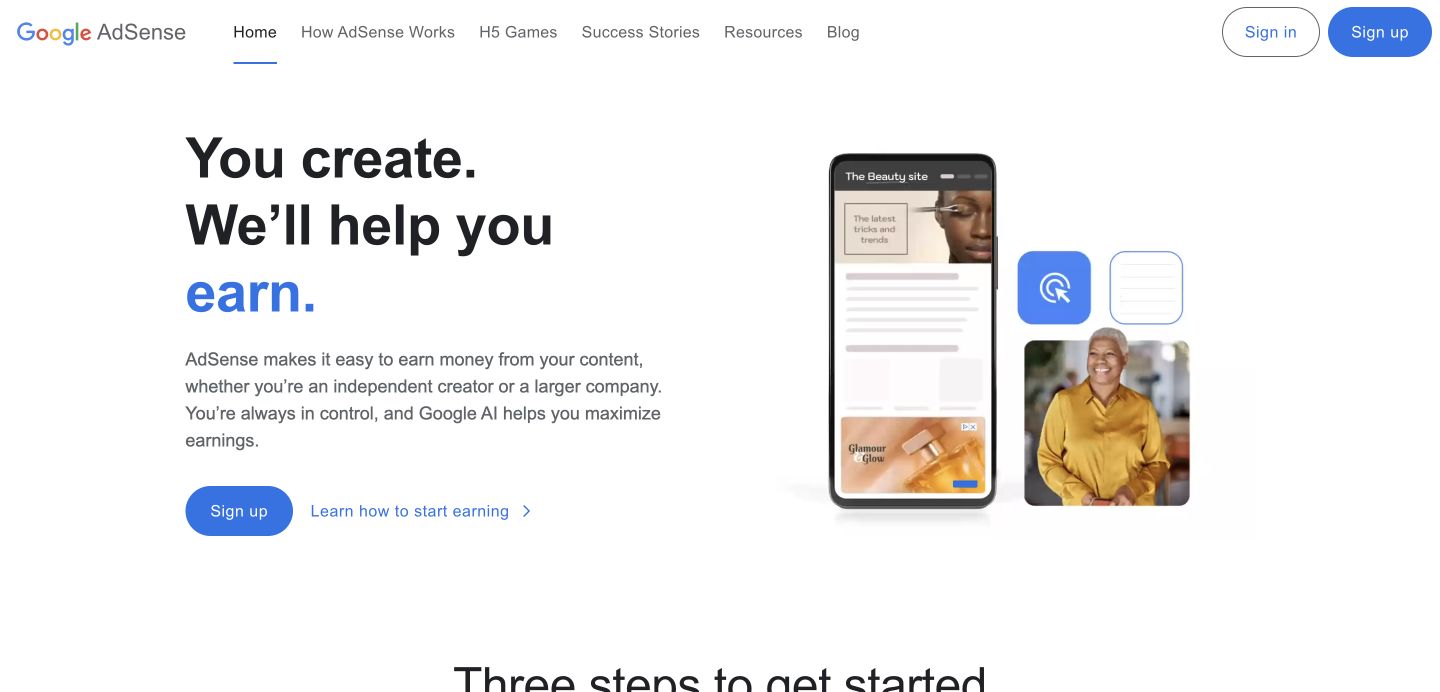
Google AdSense helps publishers earn advertising revenue from eligible online content. The publisher implements the required code and configures available controls; Google serves eligible advertising under its systems. Earnings vary with the inventory, audience, demand and successful delivery. An account does not promise a particular revenue rate or guarantee that every opportunity fills.
For a website owner, the practical work extends beyond inserting code. Content, layout, privacy choices, traffic quality and account maintenance all affect whether monetization is sustainable. Treat AdSense as one component of the publishing business, with a named owner for implementation, policy notices and payment tasks.
How AdSense Works in Practice
The six stages below explain the operating flow. A page visit, an ad request, an eligible response, a rendered impression and a finalized payment are different events. Keep those distinctions in reporting and troubleshooting. A failure at one stage cannot always be repaired by changing a setting at another.
Use the current AdSense overview alongside the actual account interface. Product settings and available formats can change. A tutorial should explain the decision and link the current instructions rather than turn one old screenshot into a permanent setup rule.
1. The Ad Request
A supported implementation creates advertising opportunities as the page and its relevant components load. The request needs the intended site and configuration, and its treatment must respect applicable user choices and audience rules. Correct code placement is only one part of the path.
Inspect the actual page template, including mobile navigation, content loading and any plugin that also inserts ads. Duplicate integrations or conflicting settings can create confusing requests and placement behavior. Keep a record of which component owns each insertion so later changes can be diagnosed.
2. The Real-Time Auction
Eligible advertising demand competes for suitable opportunities under Google’s auction and product rules. Available competition changes with campaigns and context. A publisher cannot infer that every advertiser is bidding on every page or that the highest possible buyer anywhere was available for a particular request.
Do not treat an auction diagram as a complete description of eligibility, pricing or reporting. Use it to understand why demand can vary, then investigate the actual scope and evidence behind a performance change.
- An advertiser’s campaign must be eligible for the opportunity
- The selected ad must satisfy applicable product and policy rules
- Available competition and expected value can vary between requests
3. Select an eligible ad
The system selects eligible advertising using the relevant comparison and requirements. The publisher does not ordinarily choose an exact advertiser and negotiated price for every AdSense impression. Available review and blocking controls serve a different purpose from trafficking a direct campaign.
A selected response must still reach a usable display opportunity. The page can navigate, a browser condition can change or an asset can fail. A returned ad is not interchangeable with a successful rendered impression or a settled financial outcome.
4. Display and Tracking
The implementation loads and presents the creative and records supported events. Check actual rendering, layout stability and the experience around the unit. A report is useful only when the events match what the page did.
For diagnosis, compare the same page group, period, device and reporting source. An analytics event fired when code loads may not match an advertising impression definition. Preserve that distinction instead of assuming every discrepancy represents missing money.
- Advertisers may use different buying and bidding models
- AdSense for Content pays publishers on an impression-based eCPM basis
5. Publisher earnings and payments
AdSense for Content moved to impression-based publisher payments, as Google explained in its revenue-model announcement. Advertiser bidding methods and publisher payment mechanics are different concepts. It is outdated to explain current publisher earnings as a fixed payment for each click.
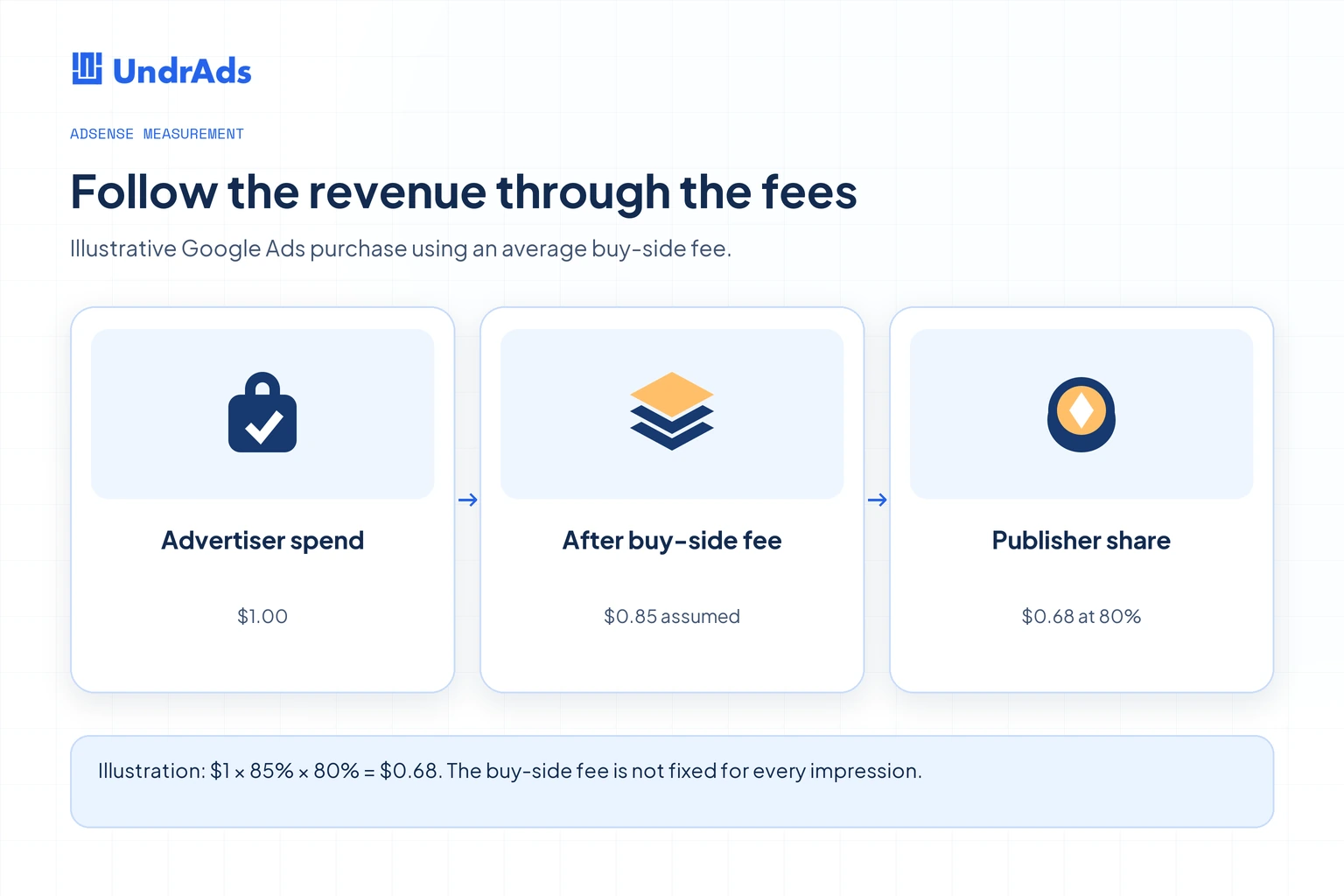
Google’s revenue-share guidance states that publishers receive 80% after the advertiser platform’s fee. With Google Ads buying, Google describes an average buy-side fee of 15%, producing about 68% overall in its example. That buying fee is not fixed for each impression.
The illustration below makes the arithmetic explicit. It is not a guarantee about every purchase path, final adjustment or bank deposit. Keep the revenue basis consistent when comparing AdSense with another service.
- Do not click your own advertisements
- Do not encourage or manufacture ad interactions
- Do not design misleading layouts that create accidental clicks
6. Review and test the implementation
Optimization is a maintained process of observation, hypothesis, controlled change and review. Automatic advertising delivery does not remove the publisher’s responsibility for the content and layout. Nor does a favorable metric movement establish that the most recent setting caused it.
Keep configuration history and the source of traffic changes. If a new campaign brings a different audience while an ad format is enabled, the combined report cannot cleanly attribute every change to the format. State those limitations when deciding whether to retain the adjustment.
- Use observed data to identify a testable placement question
- Verify the combined result before retaining a change
Putting It All Together
The operating chain connects a useful page with an eligible advertising opportunity and a reliable measurement process. A good setup remains understandable when an ad is unavailable, a user changes a privacy choice or a report is delayed.
Assign an owner for each part rather than assuming Google’s automatic delivery handles the entire publishing business. The publisher still needs to maintain its site, account details, disclosures, content and support process. Those responsibilities continue after approval.
How AdSense Chooses Which Ads to Display
Ad selection can use eligible content, audience and request context together with auction conditions. The exact result is not something a publisher can reverse-engineer from one displayed creative. Avoid declaring a permanent explanation from a small set of observations.
The six areas below clarify the signals and decisions involved. They should not be read as permission to collect unnecessary personal information or as a guarantee that writing about a high-priced topic produces high earnings.
1. Contextual Targeting: Matching Ads to Page Content
Contextual relevance concerns the content and surrounding page. Clear original material helps define what the page is about, but it does not guarantee a particular advertiser or price. A page can also be unsuitable for some demand because of its content or other conditions.
Keep an editorial purpose for each article. Publishing material solely to imitate a supposedly expensive keyword can create weak content without a sustainable audience. Evaluate usefulness, accuracy and the advertising experience together.
- A product-review page may provide relevant contextual signals
- A travel guide can present a different content and audience context
2. Behavioral Targeting: Ads Based on User Interests
Personalized advertising may use eligible interest-related information where permitted and appropriately handled. The user’s choices, audience treatment and applicable requirements affect that path. Do not describe it as automatically following every visitor across the internet.
Google publishes consent-management requirements for relevant publisher traffic. Confirm the current certified-CMP and TCF requirements for the actual setup. A banner’s appearance alone does not establish that the requests correctly respect the recorded choice.
- Interest-related signals may affect an eligible personalized ad
- A user’s choice and the applicable restrictions can limit that path
3. Geographic and Device Targeting
Market, language, device and screen context can influence eligible demand and presentation. They are reasons to segment analysis carefully, not reasons to promise that one country always earns a fixed multiple of another.
A change in acquisition mix can alter the blended revenue rate even if performance within each market stays stable. Review equivalent cohorts and the underlying counts before changing the layout or blaming a specific format.
- Market and language can affect eligible demand
- Device and screen context can affect suitable presentation
4. Eligibility and auction value
Price competition operates within eligibility and product rules. The system’s comparison should not be simplified into a claim that every high-paying advertiser appears regardless of context, restrictions or delivery conditions.
For a publisher, the useful control is the quality and eligibility of the opportunity, plus supported settings and a good product experience. A large auction network cannot compensate for a broken page template or misleading ad placement.
- Eligibility under the relevant auction and policy rules
- The value comparison used by the advertising system
5. Changing demand and delivery conditions
Advertising systems and buyer campaigns adapt over time. That does not mean a publisher can rely on an automatic system to fix every weak placement, content issue or commercial problem. Keep a separate operating review for the parts you own.
When a result changes, compare the request and delivery path, content mix, audience and settings. A model or algorithm is one possible part of the explanation; it should not become an all-purpose answer that prevents investigation.
- Buyer campaigns and budgets can change
- Audience and content context can change
- The publisher’s layout and implementation can change
6. Why This Matters for Publishers
Focus on the parts the publishing team can maintain and measure. Original content, a coherent site, usable advertising and appropriate account handling create a foundation for review. None independently guarantees approval or earnings.
Keep evidence and uncertainty in the decision. A public case study can suggest a test, but its audience, format and revenue basis may differ from yours. Establish a baseline before adopting its outcome as a forecast.
- Useful original content
- A coherent and understandable site
- A suitable advertising implementation
- Appropriate privacy, policy and account maintenance
What Influences AdSense Revenue
Eight practical factors can influence the monetization result. They interact: changing traffic can change geography, while changing layout can change how many eligible opportunities are actually seen. Analyze the whole result instead of assigning every movement to one rate.
Use a defined reporting period, source and revenue basis. Partial days and small samples are useful for incident monitoring, but they should be labeled clearly when compared with complete ordinary periods.
1. Your Website’s Niche and Audience Intent
Topic and audience intent affect the advertising context and the value of the underlying publishing product. They do not create a universal price list by niche. A specific advertiser’s willingness to buy depends on its current campaign and the eligible opportunity.
Choose editorial work because it serves a real audience and fits the publication. Measure returning usage, useful engagement and commercial outcomes over time. Copying a high-revenue niche without the necessary expertise or audience can weaken both content and business quality.
2. Traffic Volume and Quality
Traffic volume determines the number of possible opportunities, while quality and eligibility determine how useful those opportunities are. A large visit count is insufficient evidence of a strong advertising business.
Inspect acquisition sources and what visitors actually do. Sudden low-quality or misleading traffic can affect the product and account. Preserve campaign records and review unusual patterns with the responsible owner rather than assuming more visits always improve monetization.
- Visitors arriving with a specific content need
- Visitors discovering the site through a referral or campaign
- Returning readers using an established product habit
3. User Geography
Revenue can differ across markets because eligible demand, audience and other conditions differ. Treat those patterns as observations under a defined scope. Avoid a permanent hierarchy that labels every visitor in a broad region as commercially equivalent.
If the audience mix changes, calculate both cohort results and the blended total. A higher average rate caused by losing low-priced traffic is not automatically a better business result. Review total revenue, cost and audience impact.
- Compare markets within the same format and reporting period
- Treat a regional revenue pattern as an observation to verify
4. Ad Placement and Layout Design
Placement affects whether advertising is visible and how it interacts with the reader’s task. Reserve appropriate space and keep navigation and action controls distinct. A high click rate caused by confusion is a problem to investigate.
Test templates rather than one page alone. Short posts, long guides, listing pages and mobile navigation can expose different layout failures. Keep the ordinary reading experience usable when an ad does not load.
- Reserve usable space and review mobile layouts
- Keep advertising separate from navigation and action controls
- Test actual content and creative variation
5. Page Speed and Technical Optimization
Measure the page under the actual implementation, including third-party assets and scripts. Loading order, reserved space and responsiveness can affect both the user and the advertising opportunity. A generic instruction to “make the site faster” is insufficient as a diagnosis.
Compare performance traces before and after a meaningful change. Distinguish an advertising integration fault from an unrelated image, plugin or application issue. The evidence should identify a repair the owner can verify.
- Whether the ad opportunity loads and renders correctly
- Whether the page remains responsive and readable
- Whether the relevant measurement events are recorded
6. Ad Type and Format
Formats describe different presentations and attention requirements. Their rates and volume cannot be ranked universally from their names. A useful comparison measures the actual template, audience and delivery.
Use supported formats that fit the publication. Some work within the page, while others overlay content or appear during navigation. Review the complete sequence so independently reasonable settings do not combine into an excessive experience.
- Responsive display units
- In-feed or in-article units where supported
- Supported overlay experiences
- Other eligible formats available in the current product
7. Policy Compliance and Content Quality
Review the publication against the current program and content requirements, not a private checklist copied from an old forum. Google’s eligibility guidance identifies original content, policy compliance and account-age requirements. It does not promise that a particular word count or traffic level guarantees approval.
Maintain notices, required disclosures and clear site ownership information. Approval is the beginning of ongoing responsibilities. New content, a redesigned template or a changed traffic source can create issues later.
- Review actual content against current publisher requirements
- Keep navigation and ownership information understandable
- Respond to relevant account and site notices
8. Seasonality and Market Fluctuations
Advertiser activity and audience behavior can vary through the year. Compare appropriate periods and note campaigns, events and editorial changes. Do not treat a holiday peak or a single weak month as the permanent earning capacity of the site.
Build forecasts with stated assumptions and a range where useful. Keep historic observations in their actual years. A plan can use past data without relabeling that data as a future result.
- Campaign demand can rise or fall within a seasonal period
- Compare like periods without treating a peak as a permanent forecast
Read the complete result
Interpret a change with its scope and underlying counts. More revenue, a higher rate and a better user experience are related questions, but they are not the same measurement.
Write the hypothesis before changing settings. Select a practical primary outcome and guardrails, then record the result and any limitation. A neutral or negative test can be valuable if it prevents an unproductive change across the publication.
Seven familiar formats and placement controls
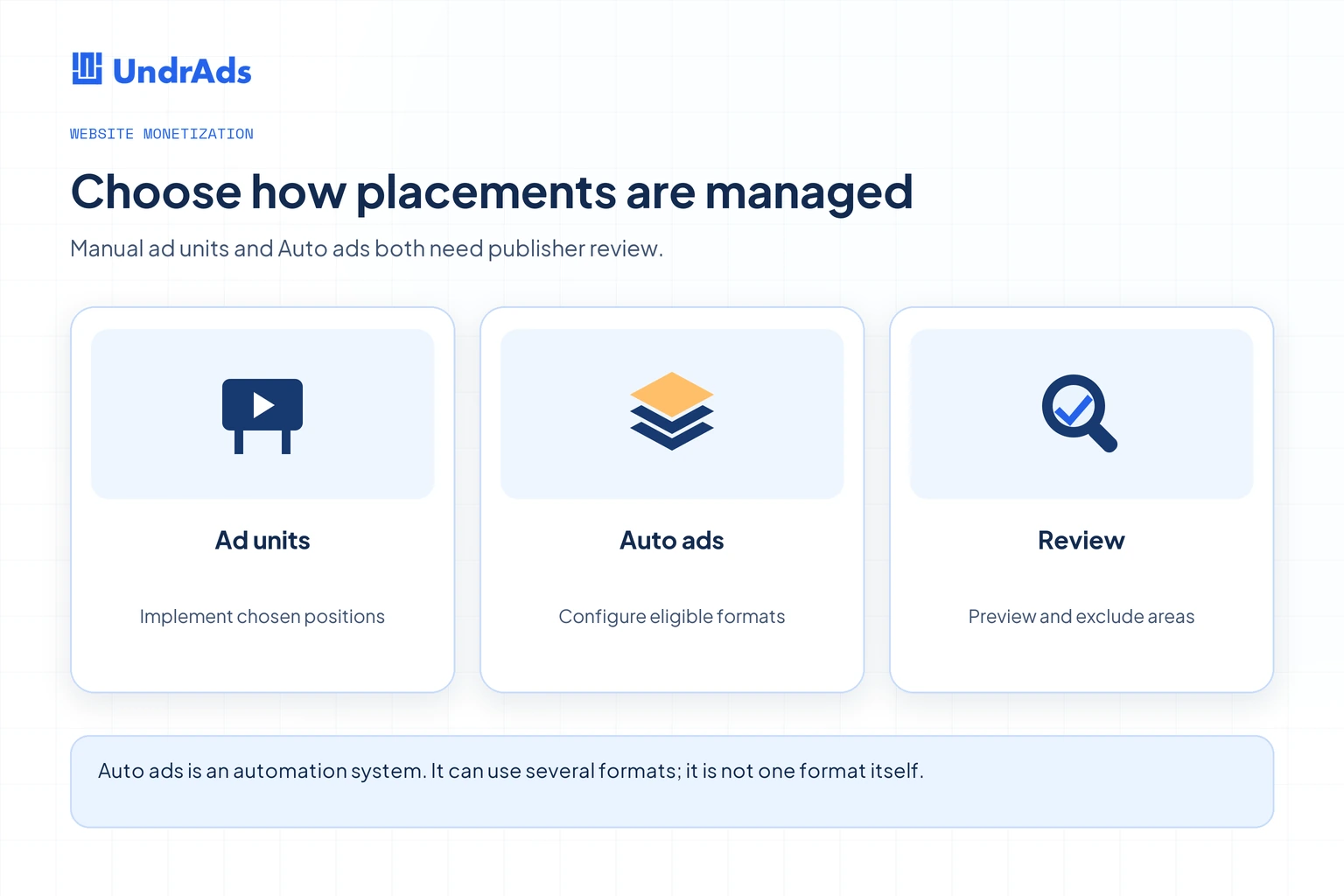
The seven sections retain six familiar presentation types and Auto ads as the automation system that can manage supported formats. Auto ads is not a single creative format. The current product can include additional choices, so check the interface and official settings documentation for availability.
Choose by page context and measured behavior. A format that works well on one publication may be intrusive or ineffective on another. Keep the decision tied to the reader’s task and the actual implementation.
1. Display Ads
Display units occupy an implemented area within the page and can use supported responsive behavior. Review available dimensions and the space the template provides. A unit should not unexpectedly cover controls or create a confusing gap when demand is unavailable.
Check actual creative variation, device widths and text scaling. A successful desktop preview is insufficient evidence that the unit fits the smallest supported screen. Preserve a record of the tested template and settings.
- A responsive layout with suitable reserved space
- A page template that remains usable when an ad is unavailable
2. In-Feed Ads
In-feed advertising appears within an appropriate list or feed presentation. Keep the advertising identification and supported rendering clear. A native-looking unit should not be mistaken for an ordinary editorial recommendation or a navigation control.
Review placement across short and long lists, pagination or infinite loading where implemented. The number of items and the user’s scrolling pattern can change the exposure. Evaluate the complete feed rather than counting inserted units as successful impressions.
- A clearly structured feed or listing
- A layout that can identify advertising among ordinary items
3. In-Article Ads
In-article units belong at suitable content boundaries in a supported template. They should preserve the reading task and required advertising identification. A large article does not justify adding an ad between every paragraph.
Test different article structures, including headings, embedded media and short sections. Keep the implementation robust when the content is edited. An insertion rule tied to a fragile paragraph count can become misleading after an ordinary editorial change.
- An article with suitable natural content boundaries
- A template that can handle varying text and creative sizes
4. Anchor Ads
Anchor ads use supported overlay behavior at an edge of the screen. Their positioning and dismissal need review on the actual devices and page templates. Check that they do not compete with important controls or obscure a consent or navigation action.
A visible overlay can produce more exposure while affecting usable space. Measure the complete business and experience result. Do not assume persistence automatically means better value for every visitor.
- A screen with safe overlay behavior
- A layout with tested controls and dismissal behavior
5. Vignette Ads
Vignettes are a supported full-screen experience associated with eligible navigation behavior. Review the current frequency and trigger controls. Keep users able to understand how they continue and return to the intended content.
Inspect the sequence with other advertising formats. A reader encountering several overlays and full-screen experiences in quick succession may experience a very different site from the one shown in a single-format preview.
- A navigation flow suited to the supported full-screen experience
- A site that can test frequency and return behavior
6. Multiplex ads
Multiplex presents multiple advertisements in a supported in-page native grid. Review the available placement and disclosure controls. The grid should fit the content context without suggesting that paid items are ordinary editorial links.
Use the current product name and implementation rather than assuming an older Matched Content configuration is identical. Test the actual page area, assets and behavior available in the account.
- A suitable in-page grid area
- A content layout that preserves clear advertising identification
7. Auto ads: an automation system
Auto ads can identify and place supported advertising using the selected settings. Publishers still need to review formats, exclusions and the resulting experience. Automation does not mean every suggested opportunity is useful for the publication.
Google’s current controls distinguish relevant format groups and exclusions. Preview representative pages, then inspect live behavior and reporting. Keep manually inserted units and automated placement ownership clear so a plugin or second integration does not create an unintended combination.
- A site able to review automated placement suggestions
- A team that will maintain format and exclusion settings
Balancing Variety and Experience
Choose a coherent advertising experience across the site. A format mix should serve the publication’s business while preserving useful content and navigation. There is no universal density setting that creates the right balance for every template.
Review the complete journey, including an unavailable ad, a declined privacy choice and a return visit. These conditions can reveal problems that a best-case screenshot misses.
Why Balance Matters
A reader experiences the page as a whole. Advertising, images, navigation and content loading interact. Optimizing one unit without inspecting that combined experience can create unexpected overlap or repeated interruption.
Include product outcomes and operating cost in the assessment. A short revenue increase may not justify a persistent usability problem or rising support burden. Decide what trade-offs are acceptable before the test begins.
Signs Your Balance Is Off
Look for specific changes rather than assuming every unfavorable metric is an advertising problem. Compare releases, content mix and acquisition sources. Use user observation and technical traces to identify the likely cause.
The signs below merit investigation. They are not a causal diagnosis by themselves. A seasonal audience change can affect engagement, while a layout regression may affect only one device group.
- Content becomes harder to reach or read
- Complaints or accidental interactions increase
- Revenue or engagement changes without a clear explanation
How to Find the Right Mix
Start with the publication’s content and the task each template supports. Choose a manageable initial set of placements, then test changes through a defined review process. Keep the baseline and configuration version with the result.
Use supported controls instead of fragile workarounds. A layout rule that only works until the next content edit is difficult to maintain. Assign ownership for both the site implementation and the advertising configuration.
- Start with the content and task the page must serve
- Use suitable natural layout opportunities
- Test mobile and accessibility behavior
- Inspect the complete advertising experience
- Keep changes only when the measured result supports them
Measure the experience and the business result
User experience can influence the sustainability of the publishing product, but it should not be described as a guaranteed revenue multiplier. Measure the specific relationship in your site. Readability, return behavior, revenue and performance can move in different directions.
Explain the trade-off clearly. A test that slightly lowers immediate ad revenue while preserving a more valuable subscription journey may support the business. Another site may reach a different conclusion under different economics.
Common Mistakes Publishers Make
The eight mistakes below concern ownership, implementation and interpretation. A publisher can avoid many repeated incidents by maintaining clear configuration and a useful review record. None is solved simply by adding more advertising technology.
Review a problem before selecting a remedy. An approval issue, a traffic-quality concern, a broken layout and a commercial plateau require different work and different evidence.
1. Overloading Pages with Ads
More inserted units do not guarantee more useful impressions or revenue. Inspect whether content remains accessible and whether several formats combine into an excessive sequence. Keep the reader’s actual task central to the design.
Use a controlled comparison for density changes. Include page or session revenue, performance and relevant audience behavior. Do not retain a configuration solely because one unit’s click or impression count rose.
2. Ignoring Mobile Optimization
Mobile layouts can expose problems hidden in desktop previews. Test small screens, text scaling, sticky navigation, overlays and orientation where relevant. Important controls and advertising should remain clearly distinguishable.
Keep representative screenshots in the release record. They make later regressions easier to identify, but should use non-sensitive test data. Review the actual live template after meaningful advertising or site changes.
3. Encouraging Clicks (Even Subtly)
Publishers must not click their own ads or encourage improper interaction. Review Google’s policy guidance and train anyone testing the site. Do not describe advertising clicks as a way for readers to support the publication.
Investigate layouts that produce accidental taps. A suspiciously high rate can signal a product problem, and it should not be celebrated as an optimization result before the cause is understood.
4. Neglecting Content Quality
Advertising does not substitute for useful original content. Maintain editorial accuracy and a clear reason for the audience to return. Content created only to surround advertising can weaken the underlying product and expose the site to policy or quality issues.
Review old and new pages alike. A refreshed article should retain valid historical dates and correct unsupported claims. Changing a year in the title does not make the information current.
5. Not Tracking or Testing
A dashboard movement without a hypothesis is difficult to interpret. State what changed, what result would justify it and which outcomes must remain acceptable. Preserve the configuration and reporting scope.
Measure enough comparable activity to answer the question, and keep uncertainty visible. A partial day or tiny segment can be useful for incident monitoring without supporting a durable business conclusion.
6. Violating Policy (Often Without Realizing It)
Read the actual notice and affected scope. Determine whether it concerns a site, content, placement, audience or account. Save relevant non-sensitive evidence and follow the current remediation instructions.
Do not make unrelated settings changes until the signal disappears. That can obscure the cause and create another problem. Assign the issue to the owner able to correct the underlying content or implementation.
7. Ignoring Site Speed
Investigate specific performance traces. A slow advertising asset, an unrelated plugin and a large content image can create different bottlenecks. The repair should follow the observed failure, not a generic assumption about all third-party code.
Repeat the affected journey after the change and compare representative devices. Keep meaningful dependency and template updates in the record so later revenue and behavior changes have technical context.
8. Treating AdSense as the Only Revenue Source
One revenue route can be appropriate for a publication, while another may benefit from a broader mix. Diversification is a business decision with costs and audience implications. It is not a universal requirement to add every available monetization product.
Evaluate alternatives against a defined gap, including implementation, commercial terms, user experience and support. A higher headline revenue share does not by itself establish higher net income.
Keep the operating record useful
Keep the decision around the complete publishing business. Reliable content, a suitable advertising experience and current account maintenance work together. Weakness in one area cannot always be repaired by another control or partner.
Document neutral and unfavorable findings. Future staff should be able to see which assumptions were tested and why a configuration was changed. That evidence is more reusable than a list of unexplained “best practices.”
Pros and Cons of Using AdSense as a Publisher
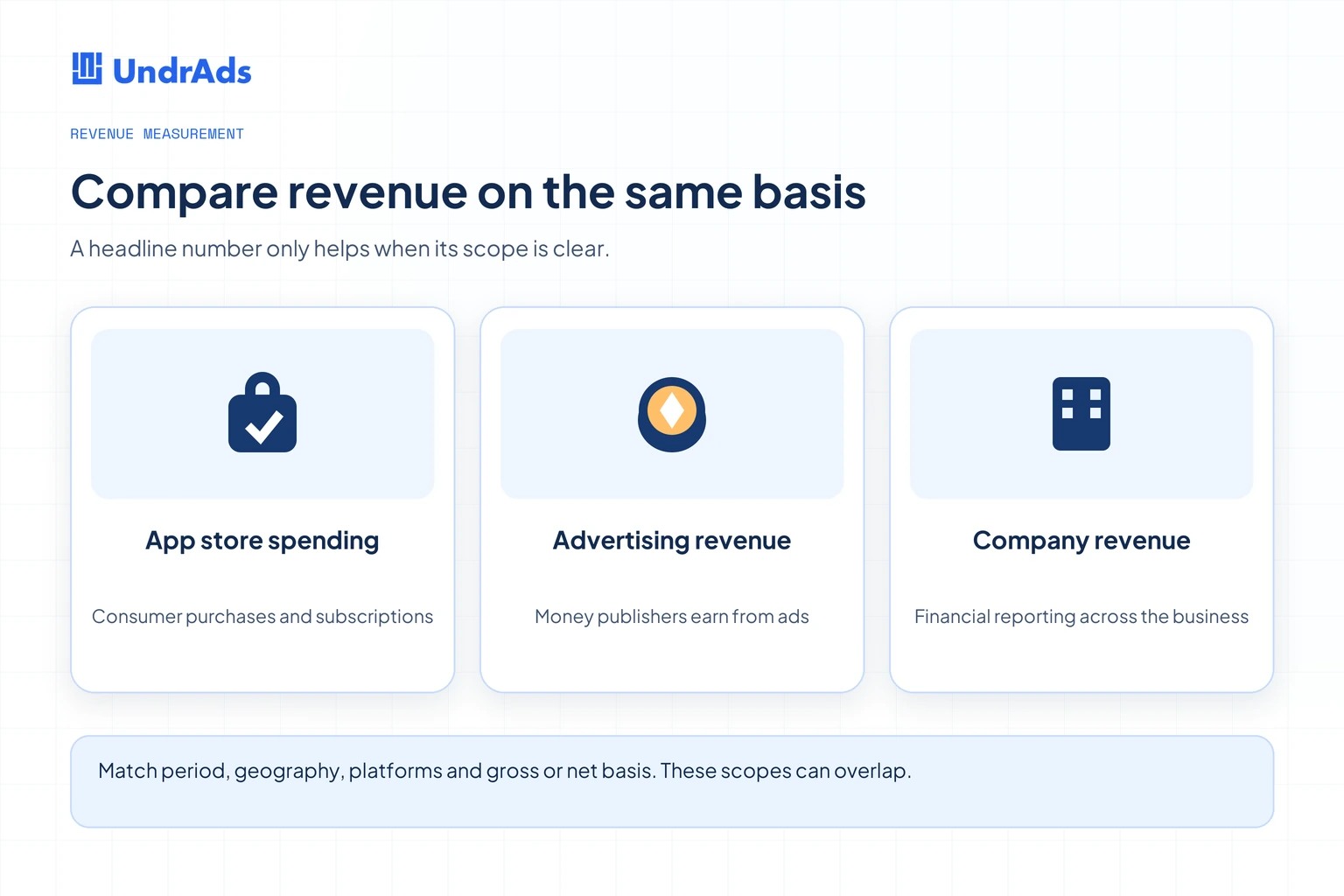
AdSense offers a particular balance of convenience, control and commercial terms. The five potential benefits and five limitations below help evaluate that balance. Their importance depends on the site’s actual business requirements.
Use a representative operating task in the comparison. Ask who maintains code, reviews notices, reconciles earnings and handles a problematic ad. A platform feature list alone does not show the work involved.
The Pros
The benefits concern the product’s available capabilities and the work it can simplify. They do not establish guaranteed approval, earnings or ease at every scale. A useful evaluation connects each benefit with an actual publishing requirement.
1. A comparatively straightforward monetization route
A comparatively straightforward integration can suit publishers who want an eligible content-advertising route without building a direct-sales platform. Account approval, code implementation and maintenance are still required.
Before signup, review the current content and ownership requirements. Assign the responsible account holder and keep access durable. A convenient onboarding flow is not a reason to use inaccurate publisher details or leave payment tasks unresolved.
2. Access to eligible advertiser demand
Access to substantial advertising demand can be useful when relevant eligible buyers are available. It does not mean every page receives a suitable response or the same rate. Audience, context and campaign conditions continue to matter.
Evaluate the result from your actual inventory. Public scale statements are not a substitute for a baseline. Keep demand access distinct from the ability to negotiate a particular direct campaign or control every advertiser shown.
3. Reliable Payments and Reporting
Reporting and payment processes provide a foundation for operating and reconciliation. Keep estimated earnings distinct from finalized balances. Google’s payment timeline describes a monthly process, subject to the threshold, holds and payment method.
Assign someone to resolve verification requests and reconcile adjustments. Do not promise a bank receipt date from an operational graph. Finance and the advertising team should use clearly labeled figures suited to their respective decisions.
4. Supported targeting paths
Eligible contextual and personalized paths can support relevant advertising under their applicable rules. They do not remove the publisher’s responsibility for appropriate data handling and the user’s recorded choices.
Test the implementation when choices change, not only on the first visit. Review relevant account notices and current requirements. A visually polished privacy message is insufficient if requests are sent through an inconsistent path.
5. Integration with Other Google Tools
Connections with other tools can help answer publishing and measurement questions when configured appropriately. Account linking alone does not establish a complete event schema or make all reports interchangeable.
Confirm the actual fields, access and reporting windows. If data is exported to another service, account for its definitions, retention and operating costs. Reconcile representative records before relying on a portfolio-wide dashboard.
The Cons
The limitations below help identify when another arrangement deserves evaluation. A limitation is not automatically a reason to migrate. Compare the size of the problem with the cost and risk of the proposed alternative.
Keep the current baseline and list the specific requirement a candidate must demonstrate. This produces a reviewable decision rather than an assumption that a more complicated stack must perform better.
1. Commercial shares require a fair comparison
Compare revenue shares on the same basis. AdSense’s publisher share is applied after the advertiser platform’s fee, while a direct-sale headline price may still require sales, serving, payment and support work.
A higher nominal share can produce less net value if available demand, volume or operating costs differ. Model the actual route and uncertainty. Do not repeat a universal claim that AdSense always pays less than every direct arrangement.
2. Limits on direct advertiser and campaign control
AdSense has publisher review and blocking controls, but it is not a complete direct-sales campaign-management system. Confirm the exact control you need before assuming it is available or that a category block provides the same result.
Test the actual setting and affected inventory. Restrictions can change eligible demand, and a broad block can have unintended commercial effects. Keep policy or audience requirements distinct from optional preferences, and record why a meaningful change was made.
3. Ongoing policy and account responsibility
AdSense participation requires ongoing compliance with the applicable policies. A notice or restriction needs a specific investigation and the current review process. Avoid treating every issue as permanent or every accidental mistake as the same account outcome.
Preserve the affected scope and evidence, assign an owner and correct the actual cause. Follow the account’s instructions rather than assuming an old forum account describes the remedy available to your site.
4. Exposure to external demand and system decisions
The publisher does not control every buyer campaign, demand fluctuation or ad-selection decision. That dependency should be understood in the business model. It is not a reason to attribute every performance movement to an unknowable algorithm.
Maintain the parts you can inspect: content, acquisition, implementation, settings and event definitions. A documented change history helps separate an external demand movement from an internal regression.
5. A product with a particular scope
The product may not meet every direct-sales, customization or commercial requirement. Identify the actual missing capability before evaluating a replacement. Another platform may solve it while adding engineering and operating work.
Use a consistent acceptance test and total-cost comparison. Include support, reporting and the user experience. A system should earn its place through demonstrated fit, not an assumption that a certain traffic size requires a more complicated stack.
The Balanced View
A balanced evaluation distinguishes convenience from ownership and commercial access from guaranteed results. Decide which trade-offs matter to the publication and which can be managed within the existing setup.
Retain a working configuration while testing a justified alternative where feasible. Avoid a broad migration that combines several unknowns without a baseline or practical recovery plan.
- A supported direct-sales workflow
- An eligible additional advertising arrangement
- Clearly disclosed sponsored content
- Appropriate affiliate or commerce revenue
- A coherent paid-content or subscription offer
Beyond AdSense: When to Level Up
Evaluate another arrangement when it addresses a demonstrated business requirement. Direct sales, additional eligible advertising demand, sponsorships, commerce or paid access can each bring their own obligations. None should be added solely to make the revenue diagram look more diversified.
For a publisher needing campaign and inventory control, review the Ad Manager guide. Keep its ad-server role distinct from AdSense and exchange access. More controls are useful only when the team can maintain and measure them.
Practical reporting checks before changing the site
Separate page revenue from impression value
Suppose a hypothetical site reports $120 of advertising revenue from 20,000 page views and 40,000 recorded ad impressions. Revenue per thousand page views is $6. Revenue per thousand recorded impressions is $3. The two rates use the same revenue and different denominators.
Do not compare one of those values with another publisher’s unexplained “RPM.” Ask whether the rate uses page views, ad impressions, requests or another unit. Match the currency, period and revenue basis as well. A label without a denominator is insufficient for a useful benchmark.
If more ads are displayed per page, page revenue may increase while impression value remains flat. If a configuration removes many low-priced impressions, impression value may rise while total revenue falls. Save the underlying counts with each rate so the team can see what actually changed.
Read a price-and-volume trade-off
Consider another illustrative comparison. A placement earns $500 from 100,000 impressions before a change. Afterward it earns $420 from 70,000 impressions. Its eCPM rises from $5 to $6 while revenue declines by $80. The higher rate alone does not establish a better configuration.
Investigate active audience, content mix, demand, eligibility and recent settings before assigning a cause. The arithmetic demonstrates the outcome, not why it happened. A controlled comparison can help separate a placement change from a simultaneous acquisition or seasonal movement.
Choose the decision using the primary objective and guardrails agreed before the test. If the business needs total contribution, include relevant costs and any effect on paid access. If the objective concerns a user experience improvement, state the acceptable commercial trade-off explicitly.
Do not confuse a share illustration with the payment report
The revenue-share diagram explains how an assumed buying fee and publisher share can relate to an illustrative dollar of spend. It is not an invoice for every impression. Actual reports may include estimates, eligibility differences, adjustments and other conditions under the applicable arrangement.
Use the source and basis appropriate to the decision. An operator can compare consistent estimated daily revenue during a test, while finance reconciles finalized balances and payment records. Keep those figures labeled so a provisional optimization result is not presented as a confirmed bank deposit.
When a discrepancy matters, start with a small representative scope. Compare the same dates, currency, site and relevant format. Check whether a combined report already contains a partner amount before adding totals. Record the explanation and any remaining uncertainty instead of forcing an artificial match.
Review a template through its ordinary states
Test more than the successful fully loaded desktop page. Use representative short and long articles, a listing page and the smallest supported mobile layout. Check navigation, text scaling, sticky components and the condition where an advertising slot is unavailable.
Inspect the implementation when a visitor records a different privacy choice, returns to the site or revisits the available controls. The request path and the message should agree. Use the applicable current requirements and supported integration rather than assuming a previous consent screen remains sufficient forever.
Check which component inserts each advertisement. A site theme, plugin and Auto ads configuration can interact. Keep a map of ownership and test a change in a controlled scope before deploying it across every template. This prevents a routine update from producing an unintended advertising sequence.
Include advertising failures in the acceptance record. A page should remain usable when an external asset does not arrive, and diagnostics should identify a failure without creating repeated uncontrolled requests. Review the return and dismissal behavior of supported overlay or full-screen formats in the actual product.
Turn a completed test into reusable evidence
Archive the hypothesis, configuration version, audience scope and primary result together. Include the dates, known reporting limitations and any concurrent editorial or acquisition changes. A future team should be able to understand the conclusion without relying on the person who originally ran the test.
Keep neutral and unfavorable results. A format that failed on one template may be inappropriate there without being universally bad. Conversely, a successful example should not become a promise that the same setting will improve every page or market.
Update shared explanatory images, QA cases and metric definitions when the implementation changes. Reuse accurate assets across training, articles and operating reviews. Keep private console evidence separate from public product illustrations so a convenient reference does not expose account or user information.
Assign a clear next action after the review: retain the configuration, revise a specific part or stop the test. A report that ends with “optimize further” gives the owner little to execute. A documented decision with a reason and a maintained baseline supports the next useful experiment.
Keep one agreed definition for each revenue and delivery measure across the publication. If a dashboard uses a different denominator or includes only part of the inventory, label that difference visibly. A shared metric name is useful only when the underlying calculation is also shared.
Review the final result with the people responsible for editorial quality, technical maintenance and commercial outcomes. Each can identify a material trade-off that a single revenue graph misses. Record the decision in terms they can inspect and maintain.
Planning AdSense monetization
A plan should use reviewed product information and actual historical results. Keep previous measurement periods and policy announcement dates intact. The edition year describes the plan, not a claim that future outcomes have already occurred.
The priority is a useful publishing product with a maintainable monetization process. Automation and new formats can be tested against that objective, while uncertain forecasts remain clearly labeled.
Choose from the publication’s actual requirements
AdSense can remain suitable for some publishers and insufficient for others. Establish the requirement before deciding. A successful case study elsewhere is useful context, but does not settle the economics of a different audience and implementation.
Review the current arrangement periodically using a complete relevant period. Keep the observed revenue basis, operating effort and experience trade-offs clear. The result may support retaining the system, changing configuration or testing another route.
Maintain privacy and personalization correctly
Privacy and personalization requirements need ongoing attention. Avoid treating a predicted end of third-party cookies as a completed universal event or assuming contextual advertising has no data-handling obligations.
Review current browser behavior, Google requirements and the actual consent implementation. Assign appropriate owners for changes and notices. The publishing team should know what choices are collected, how requests use them and where a user can revisit them when required.
Evaluate diversification as a business decision
Additional revenue streams can reduce some dependencies while creating others. Evaluate them against audience needs, editorial commitments and operating capacity. A subscription, sponsored article and advertising integration have different commercial and user obligations.
Test the combined result. An added paid offer may affect advertising inventory, while more advertising can affect the perceived value of a subscription. Keep these interactions in the business case rather than adding separate optimistic forecasts.
Three foundations worth maintaining
Three foundations support a maintainable publishing operation. They connect content value with technical reliability and evidence. A new tool is useful when it improves a defined part of that process and its cost is justified.
Keep reusable visual and measurement assets current. Approved diagrams, event definitions and QA examples can serve articles, onboarding and release reviews. Update the shared source when the implementation changes, so reuse does not spread outdated instructions.
- A content product with a reason for users to return
- A reliable and policy-aware monetization implementation
- A maintained evidence-based operating process
Make the next decision measurable
Choose the monetization setup that fits the publication and can be maintained responsibly. Begin with a baseline and a specific objective, test supported changes and review the complete result.
UndrAds can be evaluated for operations in a compatible publisher stack. Confirm the actual integration, permitted actions, reporting and responsibilities before a pilot. Keep the outcome tied to comparable inventory and the business objective.